Why Are Mattress Toppers Used?
Posted: 30 August 2026
A mattress topper is one of those things people buy without fully knowing why, and then they figure out the reason the first night they sleep on one.
Fixing A Mattress That's Gone Wrong Without Buying A New One
Mattresses wear out slowly. The foam compresses, the springs lose their bounce, and one day you notice you're rolling toward the middle of the bed or waking up with a sore hip from the same spot every night. Buying a new mattress solves that, but it's also a few thousand dollars and a truck showing up at your door.
A topper adds a fresh layer of cushioning on top of the worn-out one, which softens the feel and smooths out the dips you've started to notice. It won't fix a mattress that's actually broken or sagging structurally. What it does is buy you real comfort for another year or two while you decide whether you're ready for the bigger purchase.
Ever wondered what a hotel mattress topper actually does? It's the plush, extra layer that turns a firm hotel bed into the kind of sleep you don't want to wake up from, and it's easy to bring home.

Changing The Firmness Without Changing The Mattress
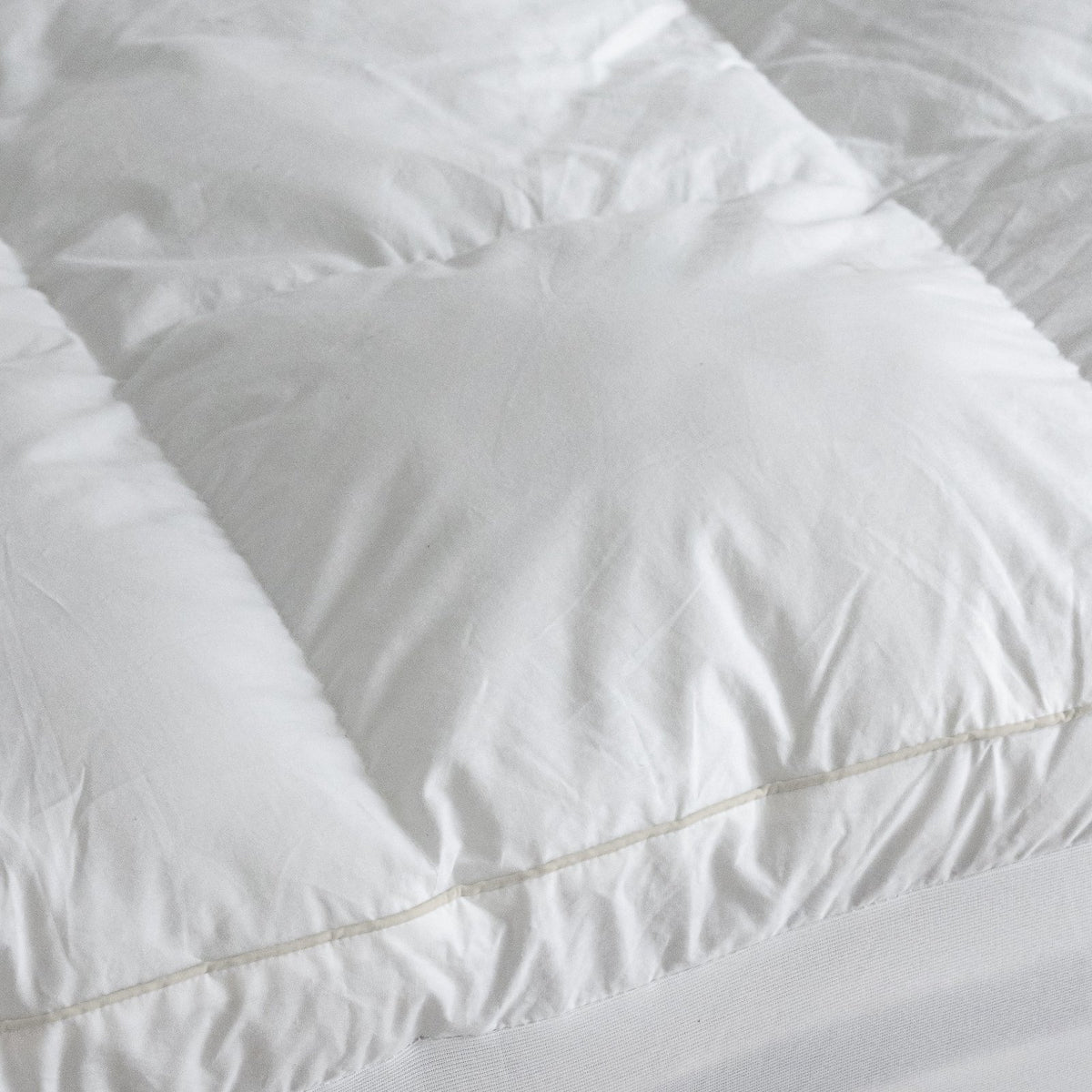
Firmness preference is personal, and it's also something that changes over time. Maybe you bought a firm mattress years ago and your body wants something softer now. Maybe you and a partner disagree on how firm the bed should be. A topper is the cheapest way to shift that feel in one direction. A plush topper softens a mattress that's too hard. A firmer, denser topper adds support to a bed that's started to feel too soft or unsupportive.
This is also why toppers show up so often in guest rooms and rentals. You can't always control what mattress is already there, but you can control what sits on top of it.


Temperature Is A Bigger Reason Than People Expect
A lot of people buy a topper thinking about softness and end up caring more about temperature. Foam mattresses in particular can trap heat, since dense foam doesn't let air move through it. A topper made from a breathable material sits between you and that heat-trapping layer and changes how the bed sleeps at night.
Wool and natural fiber toppers are especially good at this because they manage moisture as well as air, pulling sweat away from your skin instead of letting it sit against you. If you've ever woken up damp in the middle of the night on a foam mattress, this is usually the actual problem, and it's one a topper can solve without you needing to replace the mattress underneath it.


Protecting The Mattress You Already Paid For
A topper takes the direct wear that would otherwise go straight into the mattress. Body oils, sweat, and the simple compression of nightly use all hit the topper first. Over years, that adds up. A mattress with a topper on it tends to hold its shape and support longer than one that's been slept on directly night after night, since the layer taking the brunt of the wear is the one that's cheaper and easier to replace.
This matters even more if you've spent real money on a good mattress. Protecting that investment with a topper that costs a few hundred dollars, instead of letting the mattress itself absorb all the wear, is the same logic as putting a case on a phone you actually care about.

Allergies And Sensitive Skin
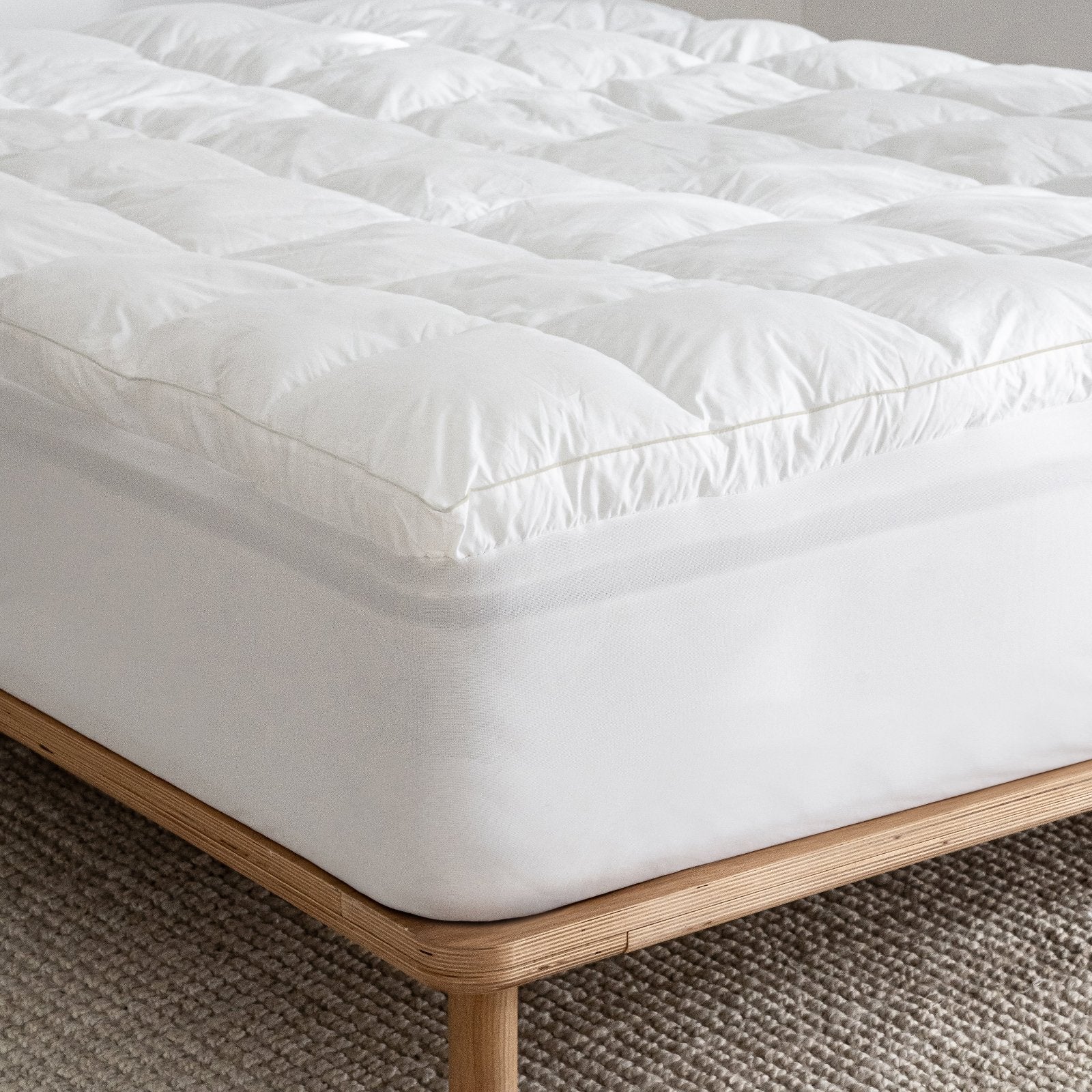
Some toppers are chosen specifically for what they're made of rather than how they feel. Natural fibers like wool have properties that resist dust mites and don't hold onto moisture the way synthetic foam can, which matters for people with allergies or skin sensitivities. A topper made from the right material can cut down on the buildup that triggers reactions, without requiring a full mattress change.

When A Topper Isn't The Right Fix
If a mattress is sagging in the middle, has broken springs, or has genuinely reached the end of its life, a topper is just delaying the inevitable. It'll feel better for a while and then the underlying problem shows back up, because you're adding comfort on top of a structure that's already failed. Toppers work best on a mattress that's still structurally sound but has started to feel worn, too firm, too soft, or too hot. They're a refresh, not a resurrection.
People use mattress toppers to adjust firmness, fix temperature problems, extend the life of a mattress they don't want to replace yet, and protect a newer mattress from years of direct wear. It's a small purchase that changes a lot about how a bed actually feels, and it's usually the right move before jumping straight to buying a whole new mattress.